Strategic Partnerships for Resilience: Bagley Risk Management
The Benefits of Animals Risk Defense (LRP) Insurance Policy Explained
Animals Risk Defense (LRP) insurance coverage serves as a critical tool for livestock manufacturers browsing the uncertain terrain of market fluctuations and unpredicted losses. The real worth and intricacies of this insurance policy tool go far beyond plain security-- they embody a positive approach that can redefine the landscape for animals producers.
Financial Security Versus Market Volatility

LRP insurance coverage offers producers with a valuable tool to take care of cost danger, offering protection that can aid offset prospective losses resulting from unfavorable market motions. This insurance policy enables producers to secure an assured price for their animals, giving a level of assurance in an otherwise unpredictable market. By protecting versus unanticipated price declines, manufacturers can much better prepare and spending plan for their operations, inevitably improving their economic stability and durability despite market unpredictabilities. Essentially, LRP insurance coverage serves as a proactive danger management approach that encourages animals producers to browse the obstacles of a vibrant market landscape with better self-confidence and safety and security.
Insurance Coverage for Unforeseen Losses
Animals Danger Security (LRP) insurance coverage provides thorough protection to protect livestock manufacturers versus unpredicted losses in the unstable market landscape. This insurance coverage supplies security in situations where unexpected occasions such as disease episodes, all-natural disasters, or substantial market price variations can bring about financial difficulties for animals manufacturers. By having LRP insurance coverage, producers can reduce the dangers related to these unpredicted circumstances and ensure a degree of monetary security for their procedures.
One of the vital benefits of LRP insurance coverage is that it permits producers to personalize their protection based upon their details demands and run the risk of tolerance. This versatility makes it possible for producers to tailor their policies to shield versus the sorts of losses that are most appropriate to their procedures. Additionally, LRP insurance offers an uncomplicated cases process, assisting manufacturers swiftly recover from unanticipated losses and resume their procedures without substantial disruptions.
Threat Administration for Animals Producers
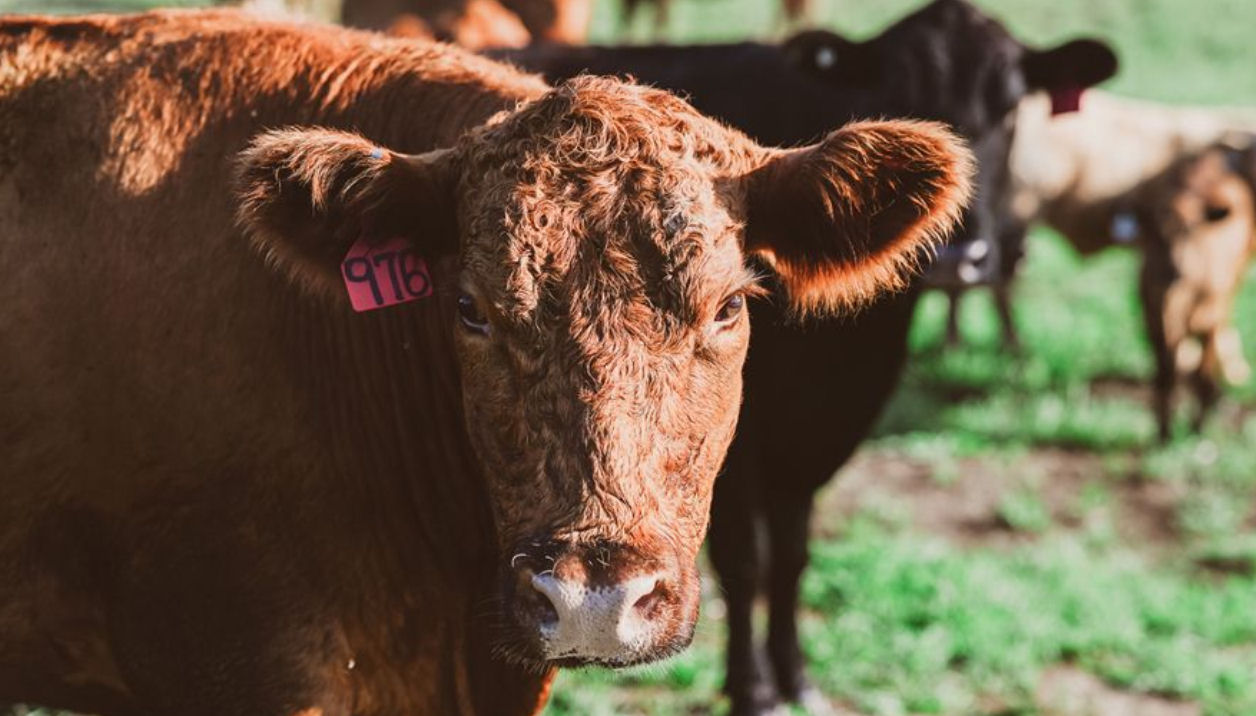
One secret element of risk management for livestock manufacturers is diversification. By diversifying their livestock portfolio, producers can spread danger throughout different varieties or breeds, decreasing the influence of a potential loss in any solitary location. In addition, maintaining detailed and accurate records can aid producers identify patterns, fads, and prospective areas of risk within their procedures.
Insurance products like Animals Threat Defense (LRP) can also play a crucial role in risk management. LRP insurance coverage offers producers with a safeguard against unanticipated rate drops, using them assurance and economic safety in times of market instability. On the whole, a thorough risk monitoring technique that integrates insurance, record-keeping, and diversification can help animals producers effectively navigate the difficulties of the sector.
Tailored Plans to Suit Your Requirements
Tailoring insurance coverage to align with the particular needs and situations link of animals manufacturers is vital in guaranteeing detailed risk administration techniques (Bagley Risk Management). Livestock manufacturers face a myriad of challenges unique to their sector, such as rising and fall market value, unpredictable climate patterns, and pet health problems. To address these risks properly, insurance policy providers offer tailored policies that accommodate the diverse demands of livestock producers
One key element of customized animals insurance coverage plans is the capacity to tailor coverage restrictions based upon the size of the procedure and the kinds of animals being elevated. This adaptability ensures that manufacturers are under-insured or not over-insured, enabling them to shield their assets sufficiently without spending for unnecessary coverage.
Additionally, customized policies may likewise include certain arrangements for different kinds of animals operations, such as milk farms, livestock ranches, or poultry producers. By customizing insurance coverage to suit the unique attributes of each procedure, insurance companies can supply thorough protection that addresses the certain threats encountered by various sorts of animals producers. Ultimately, choosing a tailored insurance coverage plan can offer assurance and economic safety and security for animals producers despite unforeseen challenges.
Government-Subsidized Insurance Options
In thinking about risk monitoring methods tailored to the certain needs of livestock manufacturers, it is necessary to explore the Government-subsidized insurance policy choices available index to mitigate monetary unpredictabilities effectively. Government-subsidized insurance alternatives play a crucial duty in supplying affordable risk monitoring tools for animals producers.
One prominent instance of a government-subsidized insurance policy option is the Livestock Threat Security (LRP) program, which supplies security against a decrease in market prices. With LRP, manufacturers can insure their livestock at a particular insurance coverage level, therefore ensuring a minimum cost for their pets at the end of the insurance period. By leveraging these subsidized insurance coverage alternatives, livestock producers can boost their financial safety and security and security, ultimately adding to the resilience of the agricultural market in its entirety.
Conclusion

In conclusion, Livestock Danger Protection (LRP) insurance coverage supplies monetary protection versus market volatility and unanticipated losses for livestock manufacturers. Government-subsidized insurance alternatives even more boost the availability and affordability of LRP insurance policy for producers.
Animals Risk Defense (LRP) insurance coverage serves as a crucial device for livestock manufacturers browsing the unforeseeable surface of market changes and unforeseen losses.In today's uncertain market atmosphere, livestock producers can benefit significantly from safeguarding monetary protection against market volatility via Livestock Threat Security (LRP) insurance. In significance, LRP insurance policy serves as an aggressive threat management approach that equips animals producers to browse the challenges of a dynamic market landscape with better self-confidence and safety and security.
Livestock Risk Security (LRP) insurance policy Full Report supplies extensive insurance coverage to guard livestock manufacturers against unanticipated losses in the unpredictable market landscape.In conclusion, Animals Threat Protection (LRP) insurance coverage supplies financial protection versus market volatility and unpredicted losses for livestock manufacturers.